
By the end of September 2026, 36 US high-risk surveillance programs have ordered the PancreaSure test, among them 18 of the nation's top 50 cancer centers. What has been the main reason for the first clinics to adopt PancreaSure into their surveillance programs?
We’ve found that the simplicity of a blood draw with comparable sensitivity and specificity to common imaging techniques like MRIs and CTs is appealing to these high-risk surveillance centers and their patients. Pancreatic cancer is the third leading cause of cancer death in the US because it is diagnosed in later stages, after the cancer has advanced beyond treatment. The National Comprehensive Cancer Network guidelines recommend annual imaging surveillance for individuals at high risk but there are gaps in this care including missing interval cancers, patients who refuse imaging and patients who aren’t adherent to surveillance. PancreaSure helps to close this gap in surveillance.
What do the first six months look like for a new program, and what sets apart the clinics that have ramped up volumes quickly from those that are taking longer?
The first three months is typically a trial phase – we see somewhere between 5-10 orders over that time and then a gradual ramp up from there. For sites that have ramped up quickly, it’s usually because they are looking for a solution.
What happens inside a program from the first order until the test becomes routine?
We try to keep the process as simple as possible as these offices already have a lot on their plates. The process looks like:
- Clinicians or an authorized delegate in their office places the order in our secure online portal. They submit patient information, medical necessity for the test and insurance information.
- Immunovia does a financial assessment for the patient and if the patient could pay more than $200, we call that patient to discuss their options before processing the test. This takes the burden of cost off the provider’s plate and gives patients piece of mind they won’t receive a high surprise bill.
- The patient’s blood is drawn – that can be done at the high-risk surveillance center or at a third-party phlebotomy center.
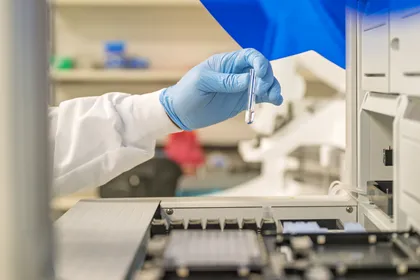
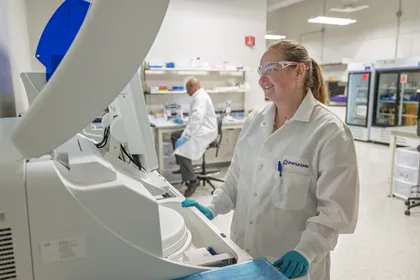
- The blood is shipped to our CAP and CLIA-certified lab in Durham, NC and analyzed.
- The clinician receives a report back in the same portal they placed the order in, typically within five business days of receipt in lab.
The Immunovia team has worked hard to make this process as seamless as possible for clinics and patients. Our biggest sticking point today is getting phlebotomy scheduled for patients as it can be challenging getting ahold of patients who are leading busy lives.
In the second half of 2026, Immunovia aims to move beyond pilot sales and increase routine ordering of PancreaSure. How does that shift change the way your team works?
2026 was really focused on making high-risk surveillance centers aware that a new option for early detection existed, orient them to the data and let them trial the test. With almost 40 centers that have now trialed PancreaSure, we are trying to help them understand the value in integrating blood based early detection tools into their protocols. That includes new case studies with early adopters to share best practices and then working to engage the entire surveillance team, including advanced practice providers (APPs), genetic counselors and nurse navigators, that are a key part of patient care.
The next target segment is large gastroenterology group practices. How does that sales cycle differ from the one at a highly specialized cancer center?
The high-risk surveillance centers are often focused only on pancreatic cancer and are committed to surveillance of their patients. They often have protocols already in place and are familiar with the challenges of detecting pancreatic cancer, guidelines supporting surveillance and the burden of imaging.
Conversely, large gastroenterology group practices are seeing patients for a host of gastro-related diseases and often patients are referred for a diagnosis of a suspected gastro disease unrelated to pancreatic cancer. They may not be aware of the challenges in diagnosing pancreatic cancer or the need for early detection at the same level as gastroenterologists working at a high-risk surveillance center. Our team needs to help identify what patients might be at high risk of pancreatic cancer and explain why screening for pancreatic cancer is important, even if that’s not necessarily why the patient was referred to the practice.
With a small team, our initial push will be with the gastroenterologists at large practices in areas where the population is more heavily made up of potential high-risk individuals. A broader effort to reach gastroenterologists across the country would require meaningful investment and resources, likely to include a large commercial partner with a sales team.
New pooled data from the CLARITI and VERIFI studies, presented in September, showed 77.5% sensitivity and 93.6% specificity in some high-risk individuals. How do these and other figures from your clinical development program come into play when you meet with a clinic, and what are the clinics themselves asking for?
The new intended use pooled analysis was done specifically so we could address questions about who should have the test. Clinicians are usually very receptive to our data and appreciate the rigor of our validation studies, specifically the high-risk controls. They continue to ask about prospective clinical utility data and the company is actively working on that.
The ASSURE registry study is running in parallel with sales. What role does it play commercially?
It’s been interesting since typically commercial sales and medical research don’t overlap. We’ve had to work internally to make sure we have proper protocols in place to ensure we are staying in our respective lanes. Having said that, it’s exciting to offer our high-risk surveillance centers an opportunity to order this test commercially while furthering research in the pancreatic cancer space. We’ve had a lot of enthusiasm around participating with 18 sites in consideration at the end of Q3.
Where are the patients no one is reaching today?
There are many Americans who are unaware they are at high risk of pancreatic cancer because even though it’s incredibly deadly, it’s not as common as some higher profile cancers like breast, colorectal or lung. Among the high-risk individuals who are enrolled in high-risk surveillance centers, the population skews to a predominately white female group as evidenced in our ADHERE study in collaboration with FORCE, a leading cancer patient advocacy group in the US.
Immunovia is currently carrying out a rights issue of approximately SEK 63 million, intended in part to fund targeted investments in sales and marketing. What does that mean in practice?
This first year has been focused on building the sales team and connecting with those key high-risk surveillance centers. In 2027, we will begin to build out our marketing efforts focused on building awareness of the PancreaSure tests with clinicians and high-risk individuals.